
Deprecated: Return type of WPGMZA\CustomFeatureFields::getIterator() should either be compatible with IteratorAggregate::getIterator(): Traversable, or the #[\ReturnTypeWillChange] attribute should be used to temporarily suppress the notice in /var/www/staging.meaningfulcarematters.com/wp-content/plugins/wp-google-maps-pro/includes/custom-fields/class.custom-map-object-fields.php on line 120

Deprecated: Return type of WPGMZA\CustomFeatureFields::jsonSerialize() should either be compatible with JsonSerializable::jsonSerialize(): mixed, or the #[\ReturnTypeWillChange] attribute should be used to temporarily suppress the notice in /var/www/staging.meaningfulcarematters.com/wp-content/plugins/wp-google-maps-pro/includes/custom-fields/class.custom-map-object-fields.php on line 129

Deprecated: Return type of WPGMZA\CustomFeatureFields::count() should either be compatible with Countable::count(): int, or the #[\ReturnTypeWillChange] attribute should be used to temporarily suppress the notice in /var/www/staging.meaningfulcarematters.com/wp-content/plugins/wp-google-maps-pro/includes/custom-fields/class.custom-map-object-fields.php on line 111

Deprecated: Return type of WPGMZA\CustomFields::getIterator() should either be compatible with IteratorAggregate::getIterator(): Traversable, or the #[\ReturnTypeWillChange] attribute should be used to temporarily suppress the notice in /var/www/staging.meaningfulcarematters.com/wp-content/plugins/wp-google-maps-pro/includes/custom-fields/class.custom-fields.php on line 121

Deprecated: Return type of WPGMZA\CustomFields::jsonSerialize() should either be compatible with JsonSerializable::jsonSerialize(): mixed, or the #[\ReturnTypeWillChange] attribute should be used to temporarily suppress the notice in /var/www/staging.meaningfulcarematters.com/wp-content/plugins/wp-google-maps-pro/includes/custom-fields/class.custom-fields.php on line 130

Deprecated: Return type of WPGMZA\CustomFields::count() should either be compatible with Countable::count(): int, or the #[\ReturnTypeWillChange] attribute should be used to temporarily suppress the notice in /var/www/staging.meaningfulcarematters.com/wp-content/plugins/wp-google-maps-pro/includes/custom-fields/class.custom-fields.php on line 136

Deprecated: Creation of dynamic property WPGMZA\ProDatabase::$version is deprecated in /var/www/staging.meaningfulcarematters.com/wp-content/plugins/wp-google-maps-pro/includes/class.pro-database.php on line 12

Deprecated: Creation of dynamic property WPGMZA\ProDatabase::$charset_collate is deprecated in /var/www/staging.meaningfulcarematters.com/wp-content/plugins/wp-google-maps-pro/includes/class.pro-database.php on line 13

Notice: Function _load_textdomain_just_in_time was called incorrectly. Translation loading for the elementor domain was triggered too early. This is usually an indicator for some code in the plugin or theme running too early. Translations should be loaded at the init action or later. Please see Debugging in WordPress for more information. (This message was added in version 6.7.0.) in /var/www/staging.meaningfulcarematters.com/wp-includes/functions.php on line 6131

Notice: Function _load_textdomain_just_in_time was called incorrectly. Translation loading for the elementor-pro domain was triggered too early. This is usually an indicator for some code in the plugin or theme running too early. Translations should be loaded at the init action or later. Please see Debugging in WordPress for more information. (This message was added in version 6.7.0.) in /var/www/staging.meaningfulcarematters.com/wp-includes/functions.php on line 6131

Notice: Function _load_textdomain_just_in_time was called incorrectly. Translation loading for the uncanny-learndash-groups domain was triggered too early. This is usually an indicator for some code in the plugin or theme running too early. Translations should be loaded at the init action or later. Please see Debugging in WordPress for more information. (This message was added in version 6.7.0.) in /var/www/staging.meaningfulcarematters.com/wp-includes/functions.php on line 6131

Warning: Cannot modify header information - headers already sent by (output started at /var/www/staging.meaningfulcarematters.com/wp-includes/functions.php:6131) in /var/www/staging.meaningfulcarematters.com/wp-content/mu-plugins/csp-malware-block.php on line 1
Why food is so important in a good care home - Meaningful Care Matters
Notice: Function WP_Scripts::add was called incorrectly. The script with the handle "datatables-responsive" was enqueued with dependencies that are not registered: datatables. Please see Debugging in WordPress for more information. (This message was added in version 6.9.1.) in /var/www/staging.meaningfulcarematters.com/wp-includes/functions.php on line 6131

Why food is so important in a good care home

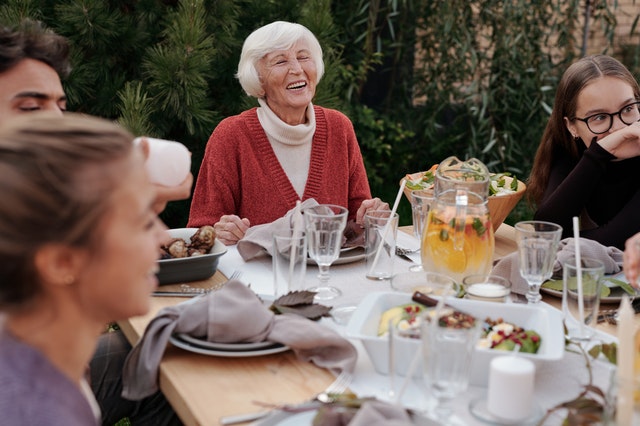
I once attended an hour-long presentation about how important it is to put salt and pepper on dining tables in dementia care homes. Sure, salt and pepper are important – as a former chef, if I was served under-seasoned food without the ability to add some salt myself, I dread to think what I might be capable of – but at the same time, I could not help thinking that it missed the bigger picture.

Before I could finish the thought, the salt and pepper presentation was swiftly followed by a talk from Peter Bewert (Managing Director of Meaningful Care Matters) about the importance of a holistic approach to care culture, which was summarised with the Jane Howard quote “Call it a clan, call it a network, call it a tribe, call it a family. Whatever you call it, whoever you are, you need one.”

Suddenly salt and pepper, which might make up several seconds of someone’s day in a care home, seemed almost irrelevant when you can create a positive care culture that makes people feel part of a clan, network, tribe, or family for the rest of their lives.

Positive care culture may not seem relevant to food at first, but when a care home achieves it, you soon realise it seeps into every aspect of daily life, of which food is often at the fore. As if to confound this point, Peter’s presentation ended with a video showcasing a Level 1 Butterfly care home in which someone working in the care home walks alongside a person living in the care home while carrying a bowl of cereal, chatting, and offering a spoonful every now and then.

When you truly get to know the people you are looking after, you unlock what is important to them and what works for them; their secret ingredient if you will. Admittedly, this secret ingredient might mean having salt and pepper on the table, but it might also mean offering them cereal while they walk, or it might even mean eating KitKats morning, noon and night, as it did for someone living in our care home.

For this person, KitKats were their comfort blanket; the look, the smell, the feel, the taste, all familiar and all that was needed to feel safe, secure and happy. It might sound like an obscure example, but so many people are comforted by specific foods. Find one that works, and it can be almost medicinal. Sometimes it is obvious, such as a hot chocolate after a wet and windy walk or an ice lolly on a hot summer’s day.

Other times, though, it is not so obvious, and often the more personal it is, the more meaningful it can be. Another person living in our care home, not long after their wife died, just stopped eating. That was, until a longstanding member of the team, a carer-turned-chef, offered to make them a breakfast of smoked salmon and scrambled eggs, which was the meal they remembered most from their honeymoon in Scotland.

The chef knew how important that food was, but they also knew how important it was to get to know that person when they first moved in. So, yes, food is indeed important, but so are chefs, and so is the culture of care and the clan, network, tribe or family that it creates.

CHARLIE HOARE
Managing Director
The Huntington & Langham Estate
Scroll to Top